
How Can AI Help My Small Business Get More Customers?
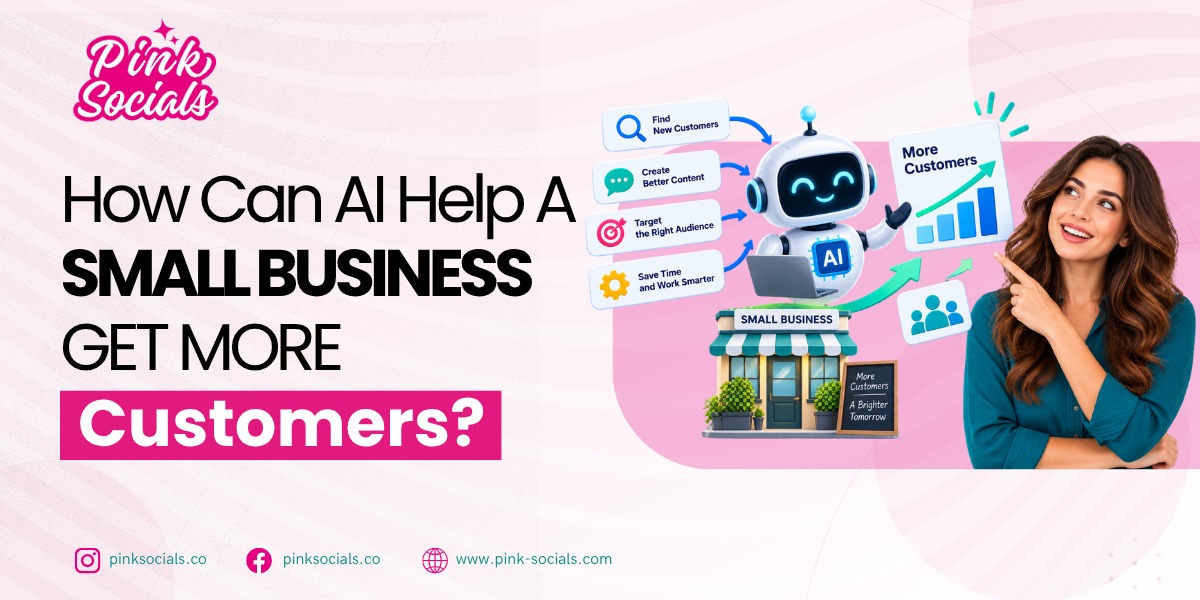
AI is either viewed as magic or a gimmick, leaving many small business owners uncertain of its ability to generate actual customers, or it’s just another tool vendors are pushing.
In this guide, I’m going to cut through all the fluff and explain how AI for small business actually works to help you attract more customers, primarily by responding to leads immediately, sending follow-up emails automatically and never letting a lead go to waste. This expectation gap is a fact and well documented. Salesforce’s State of the Connected Customer research found that 77% of customers expect to interact with someone immediately when they contact a company, and AI is the primary way for any small business that doesn’t have a full-time receptionist to be able to deliver that experience.
Here’s what this covers:
- What AI can practically do for a small business
- How AI stops you missing leads and calls
- How AI automates follow-up
- Where an AI receptionist and chatbot fit
How can AI help a small business get more customers?
If you take too long to respond to customers’ inquiries, you’re missing out on customers simply because you’re not quick enough. AI can do it for you: answer your most frequently asked questions at any time and follow up with anyone who leaves a lead, so you don’t miss out.
None of this requires anything exotic. AI for small business really just means software that can answer, qualify, and follow up on its own, doing the repetitive first-contact work that used to require a person sitting by the phone or refreshing an inbox all day. That’s speed and coverage, not magic, and it’s exactly the gap between a business that captures a lead and one that quietly loses it to whoever answered first. The tools themselves have gotten simple enough that setting one up rarely takes more than connecting it to the phone line or website you already have.
This alone won’t help, either. AI is only a small component of a larger framework, and it’s best used in conjunction with the existing framework: the website, the traffic, and the offer itself. It’s truly one component of the digital marketing services a small business needs, in addition to SEO, ads and a website that converts, so it’s not a magic bullet for a business that has more marketing holes in its bottom.
If there are no leads to respond to, then speed to lead isn’t really important, so walk back to the traffic side too. If that piece is still shaky, the best way to generate leads is to understand the sources and systems that populate the top of the funnel, because AI can only answer questions that are present; it can’t create interest that doesn’t exist yet.
For a lot of local, service-based businesses, a good share of that traffic starts with a search that never even reaches the website. If your business doesn’t appear consistently in local search results, it’s best to find out why you are not on Google Maps before thinking it is because of speed or follow-up. If they can’t find you to call, you don’t need to worry about the call itself.
What can AI realistically do today?
Answer calls and chats, qualify leads, book appointments, and follow up automatically without manual effort for every call and chat.
What AI cannot do?
It is no substitute for real service or relationships. What it does is speed and volume, which means you can concentrate on the customer when they’re in front of you.
| Task | What AI does | Customer benefit |
|---|---|---|
| Answering calls | Picks up every call instantly, day or night | Never waits on hold or hits voicemail |
| Website chat | Answers common questions in real time | Gets information without waiting for a reply |
| Lead qualification | Asks a few quick questions to sort real interest | Faster path to the right next step |
| Appointment booking | Schedules directly without back-and-forth | Books a time in one conversation |
| Follow-up | Sends reminders and check-ins automatically | Never falls through the cracks |
How does AI stop me from missing leads and calls?
AI prevents you from losing leads because it answers calls, chats and messages as soon as they are received, even outside of working hours, so the competitor who answers first no longer has the lead.
Missed calls and delayed responses are a silent expense that typically costs businesses more than they realize, and most often it’s because when someone doesn’t hear back from them, they don’t call back; they call the next name on the list. The fix doesn’t have to involve hiring anyone. AI automation can receive all calls and messages as soon as they come in and only transfer to a human when there is something to discuss.
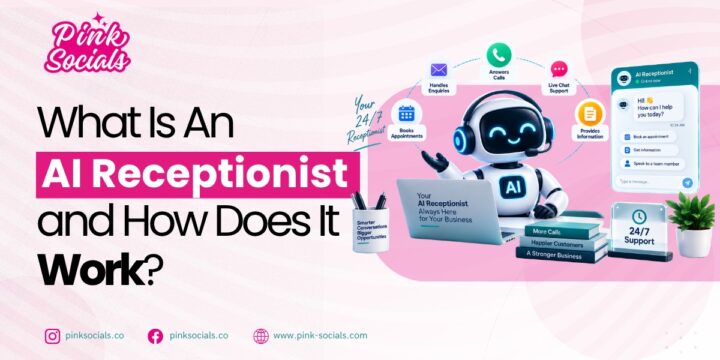
This is what an AI receptionist is designed to do, so it’s important to really grasp the concept on its own merits, rather than just as an abstract concept. What an AI receptionist is is a description of how an AI receptionist actually answers, qualifies, and routes calls in real-world scenarios, rather than just making promises.
Seeing it in action tends to settle most of the remaining doubts, which is usually more convincing than any description of how the technology works. You can see how an AI receptionist answers every lead, including after hours and on weekends, which is usually when a small business is least staffed and most likely to lose a call to whoever answers the phone first.
How many leads do businesses miss?
Out-of-hours, when no one is monitoring the phone, missed calls and slow replies are a high cost of potential jobs, and a hidden one at that.
Does AI work after hours?
Yes. It responds 24/7, meaning that a call at 9 pm on a Saturday will get the same response as a call at 10 am on a Tuesday.
| Gap | AI solution | Result |
|---|---|---|
| No one answers after hours | AI answers calls and chats 24/7 | Inquiries never sit waiting overnight |
| Calls go to voicemail during busy periods | AI picks up instantly, every time | No caller hits a dead end |
| Leads go cold waiting for a callback | AI qualifies and books on the spot | Faster path from inquiry to booked job |
| No one tracks who was contacted | AI logs and follows up automatically | Nothing quietly falls through the cracks |
How does AI handle customer questions and follow-up?
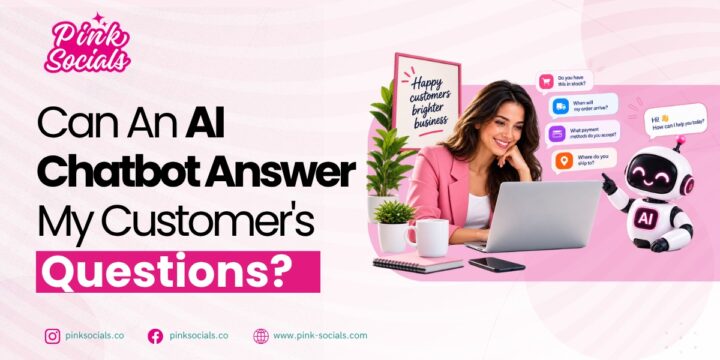
AI can respond to common questions on your website instantly, reducing delays in customer response and ensuring they receive immediate answers, while also sending follow-up messages to prospects, without requiring you to do any manual work.
Many visitors to your site will have straightforward questions about hours, price ranges, does it serve the area, and they will leave if they don’t get an answer straight away. But, website customer service automation solves that problem by responding immediately, so that someone doesn’t lose interest at the exact moment that they were considering going to another website.
Whether it’s worth setting up will depend on the number of repetitive questions that your team is actually getting right now, and most owners are shocked when they begin to tally the questions. Whether an AI chatbot can answer customer questions for your specific business is worth working through directly, since the value depends heavily on what people are actually asking and how often they ask it.
The number of questions that owners ask themselves until they see a conversation in real time is far more than they realize, which is why it’s easier to judge when you have something that is concrete in front of you. You can see how AI chat handles website questions on a real site, including how it hands a conversation off to a person once a visitor is ready for more than a quick answer.
Follow-up works the same way behind the scenes. A short, automated sequence keeps nudging a lead who hasn’t booked yet, which is really just AI marketing doing quiet, unglamorous work, sending the reminder nobody has time to send manually, at the moment it’s actually likely to land.
What can an AI chatbot answer?
Most of the repetitive questions that might otherwise end up in your inbox or voicemail, including hours, pricing ranges, services offered and booking availability.
How does AI follow up?
Automated sequences that gently remind leads when they need it, and get them to respond or book, without anyone having to check and follow up on who still needs a reminder.
| Task | AI handles | You handle |
|---|---|---|
| Answering common questions | Instantly, any time | Anything unusual or complex |
| Sending follow-up reminders | The sequence and timing | The actual conversation once they respond |
| Booking simple appointments | Scheduling directly | The appointment itself |
| Escalating unclear requests | A clean handoff | It personally |
The bottom line
A small business can purchase more customers with AI, answering instantly, covering all hours and automating the follow-up that would otherwise be forgotten. None of this is magic; it’s just speed and coverage a single owner or small team simply cannot do it all the time. The companies that are most likely to benefit are typically the companies that are not getting a response to their leads because they are too slow. Don’t aim to repair everything at once; just go through and focus on the gaps that are costing you big right now, such as answering calls out of hours, answering website questions, or follow-up that is still lost.
Leave a Reply